

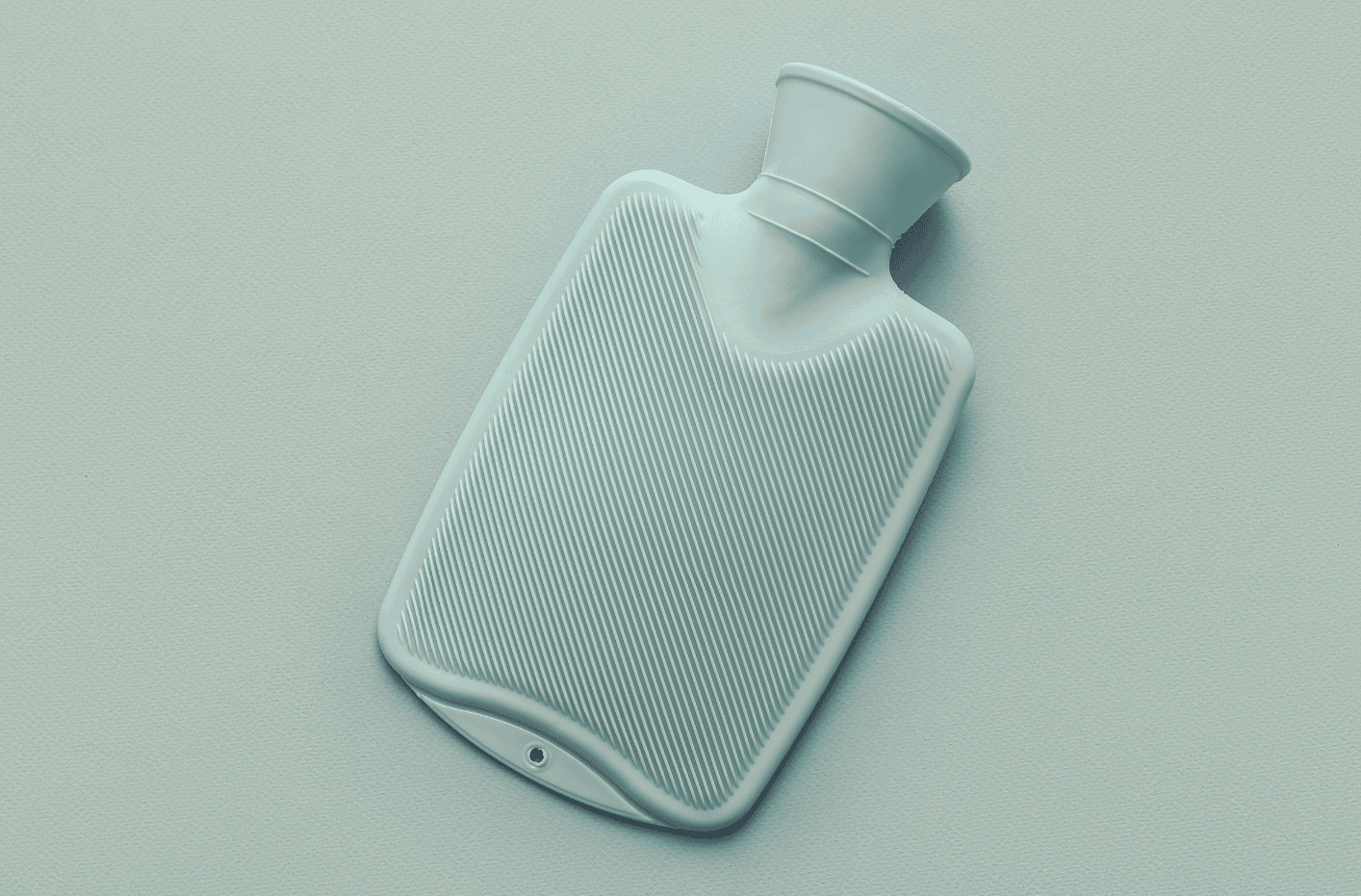

For many of us, a hot water bottle is a winter staple. It’s something we’ve used for years without a second thought, whether to stay warm in bed, ease aches and pains or help children settle at night. But despite their familiarity, hot water bottles can cause serious and sometimes life-changing injuries when they fail.
Unfortunately, hot water bottle accidents are on the rise. Some are linked to misuse, such as overfilling or using boiling water, while others involve manufacturing defects, including degraded rubber and faulty stoppers that suddenly give way and release scalding water.
It goes without saying that the consequences can be severe. Burns and scarring caused by hot water bottles often require extensive medical treatment, including skin grafts, rehabilitation and long-term care. In some cases, injuries can have a lasting impact both physically and psychologically.
There are many things you can do to protect yourself and your loved ones from injury. Where accidents do occur, you may also be entitled to compensation.
Why hot water bottles fail
Hot water bottles deteriorate over time, even if they appear to be in good condition. Rubber naturally weakens as it ages, making splits and leaks more likely. Lower-quality products or poorly manufactured bottles may also fail unexpectedly.
Common causes of accidents include:
- Overfilling the bottle
- Using boiling water instead of hot water
- Sitting or lying directly on the bottle
- Faulty stoppers or seams
- Age-related wear and tear
- Manufacturing defects
Unfortunately, many people are unaware that hot water bottles should be replaced regularly, regardless of how often they’re used.
How to use a hot water bottle safely
There are several simple precautions you can take to significantly reduce the risk of injury.
Check the age of the bottle
Most hot water bottles have a date wheel stamped near the neck. This small circular marking, often described as looking like a daisy, shows the month and year of manufacture.
Experts generally recommend replacing hot water bottles every two years, as the materials can degrade over time.
Inspect it before use
Before filling the bottle, check for:
- Cracks
- Splits
- Bulging
- Weakness around seams
- Damage to the stopper
If there are any signs of wear or deterioration, it’s safest to replace the bottle immediately.
Don’t use boiling water
Hot water bottles should be filled with hot water, not boiling water. Boiling water increases pressure inside the bottle and can weaken the rubber.
It’s also important not to overfill the bottle. Filling it to around two-thirds capacity is usually recommended.
Always use a cover
Direct contact with skin can cause burns, even when the bottle itself hasn’t burst. A fabric cover or towel helps create a protective barrier and reduces the risk of injury.
Avoid putting pressure on the bottle
Sitting or lying directly on a hot water bottle can increase pressure and cause it to split or leak unexpectedly.
The BSI Kitemark matters
When buying a hot water bottle, it’s important to look for recognised safety markings.
The British Standards Institution (BSI) Kitemark indicates that a product has been independently tested and meets relevant safety standards. Similarly, the CE mark signifies that the manufacturer states the product complies with European health and safety requirements.
You should treat products sold without recognised safety certification with caution.
Can you claim compensation for a hot water bottle injury?
If you’ve suffered injuries because a hot water bottle was defective or unsafe, you may be entitled to bring a compensation claim against the manufacturer or retailer.
Claims can cover far more than the initial burn injury itself. Depending on the circumstances, compensation may also include:
- Psychological trauma
- Loss of earnings
- Medical treatment costs
- Damaged clothing or personal belongings
- Rehabilitation expenses
- Mobility aids
- Care and assistance provided by family or friends.
In these circumstances, keeping evidence is vitally important. In all situations where you think you have a case to bring, you should retain:
- The hot water bottle itself
- Proof of purchase or receipts
- Photographs of injuries and damage
- Records of expenses and treatment .
Supporting recovery after a serious burn injury
Recovering from a burn injury can be physically and emotionally challenging. Severe burns often require ongoing treatment, specialist rehabilitation and support over a prolonged period.
At Gorvins Solicitors. our personal injury team can help clients access expert treatment and rehabilitation support while pursuing compensation for the injuries and financial losses caused by an accident.
Lisa Chambers has more than 35 years’ experience dealing with personal injury claims and offers a free, no-obligation discussion for anyone who has suffered a burn injury caused by a hot water bottle within the last three years.
Claims are handled on a No Win, No Fee basis, meaning you won’t have to pay legal fees if your claim is unsuccessful.
To get started, call Lisa on 0161 930 5156, email her at lisa.chambers@gorvins.com or fill in the online form.