
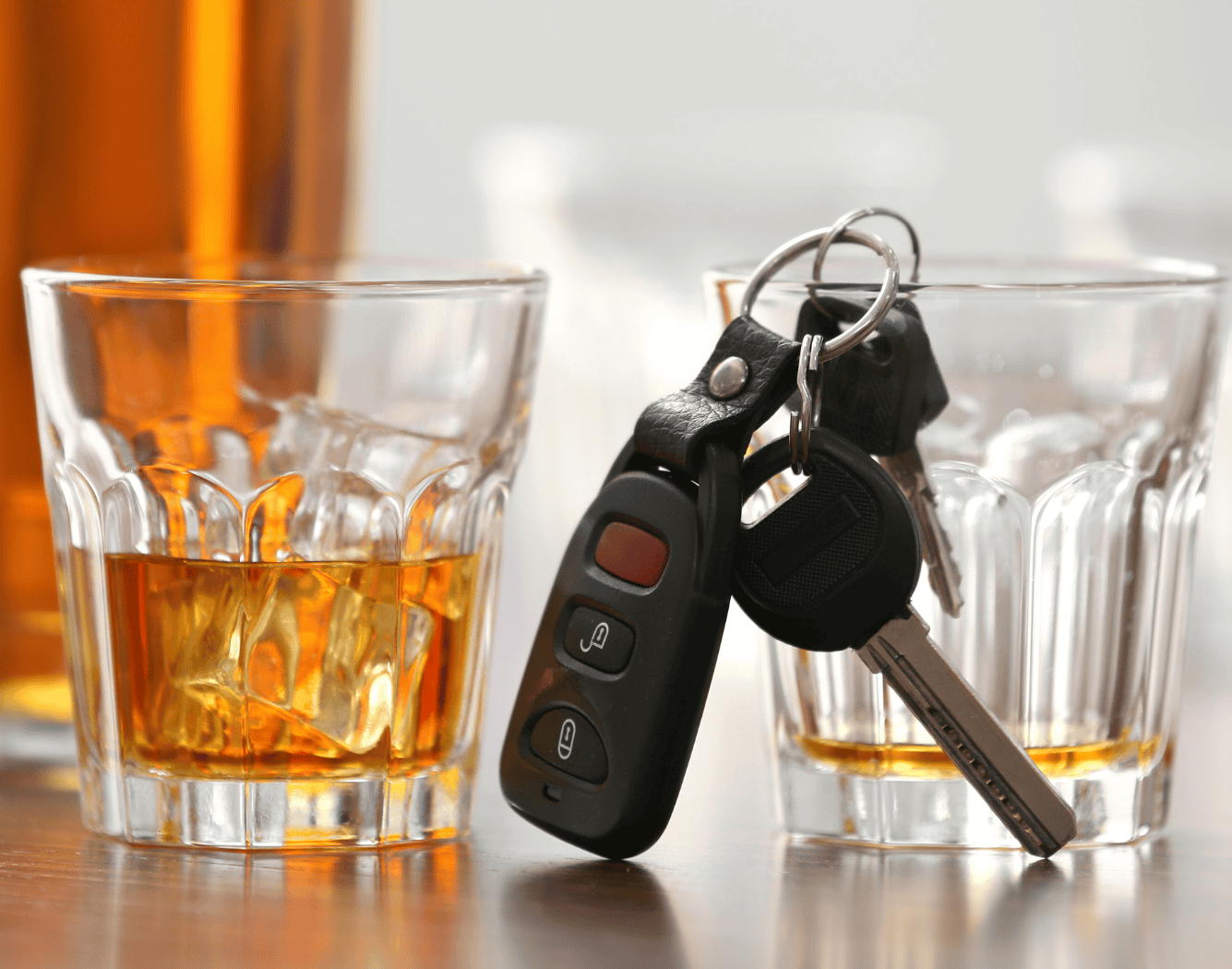

If you are facing a charge for drink driving, you may have heard of the post-driving consumption defence, more commonly known as the ‘hip flask’ defence. I learned about this defence early on in my career when it was advanced as a defence on behalf of a client. It is an uncommon defence, however it popped up again recently in relation to one of my colleagues Paul Reddy’s cases, prompting me to think it a useful topic for a blog.
What is a ‘hip flask’ defence?
A ‘hip flask’ defence arises when your alcohol reading relates to alcohol drank after driving. For example, an individual involved in an accident or stressful incident may consume alcohol after driving seeking to calm themselves. Alternatively, they may drive home then consume alcohol prior to Police arrival. In both circumstances, the driver might provide a blood/breath sample which exceeds the limit, despite being below the limit at the time of driving. Of course, this defence relies on the fact that the driver does not drive again after consuming alcohol.
The burden of proof.
A Defendant must prove that a ‘hip flask’ defence applies. It is typically assumed that your alcohol reading at the Police station was the same as it was when driving. Normally, a forensic alcohol expert will be required to perform a back-calculation based on your alcohol reading and how much alcohol you consumed and when.
Success depends on accurate information, expert opinion and legal advice from the outset. If you have been accused of a motoring offence, it is extremely important to seek specialist legal advice before responding to any paperwork. Contact our specialist Road Traffic Defence Team today for a free initial consultation. Call us today at 0161 930 5151, email us at crimeandregulatoryteam@gorvins.com or fill in the online form. We can help you navigate the process and ensure the best possible outcome.